
How to Prepare Your CPA for a REPS Filing
Filing a defensible REPS return isn’t just about having a good CPA — it’s about what you bring to the meeting. Organized activity logs, documented elections, and clear property records…

Real estate tax strategies, REPS tips, and time-tracking insights—straight from the creators of the REPSLog app.


Filing a defensible REPS return isn’t just about having a good CPA — it’s about what you bring to the meeting. Organized activity logs, documented elections, and clear property records…
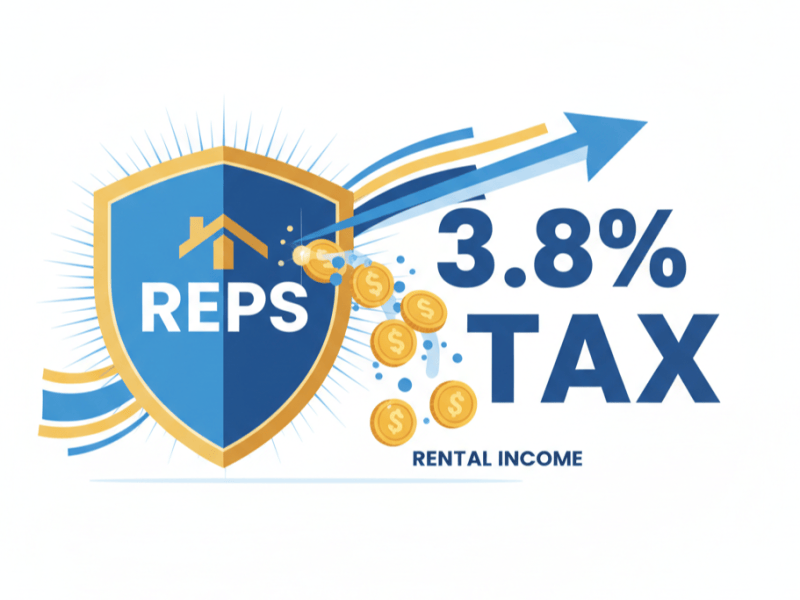
The 3.8% Net Investment Income Tax can add thousands to your tax bill on rental income and real estate gains — but REPS offers a potential exemption. The rules are…
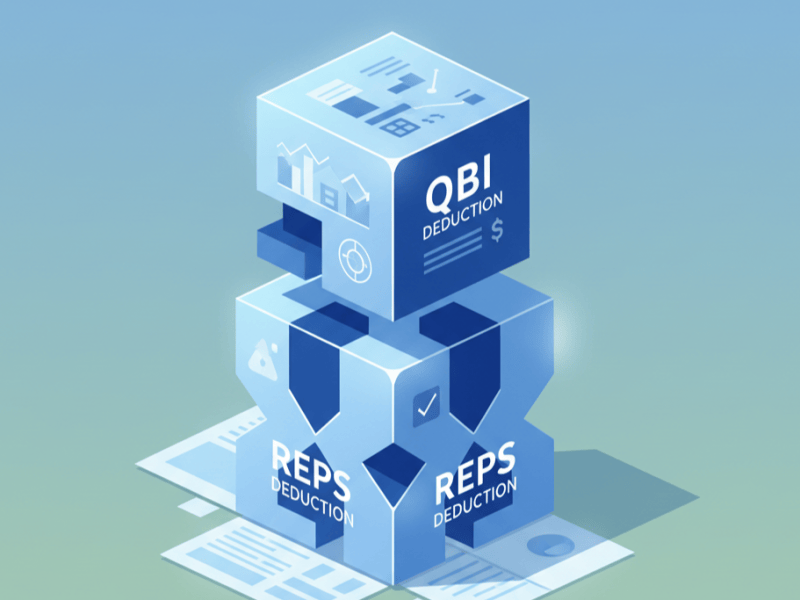
REPS reclassifies your rental losses from passive to non-passive. The Section 199A QBI deduction can take up to 20% off qualifying business income. Can you stack both on the same…
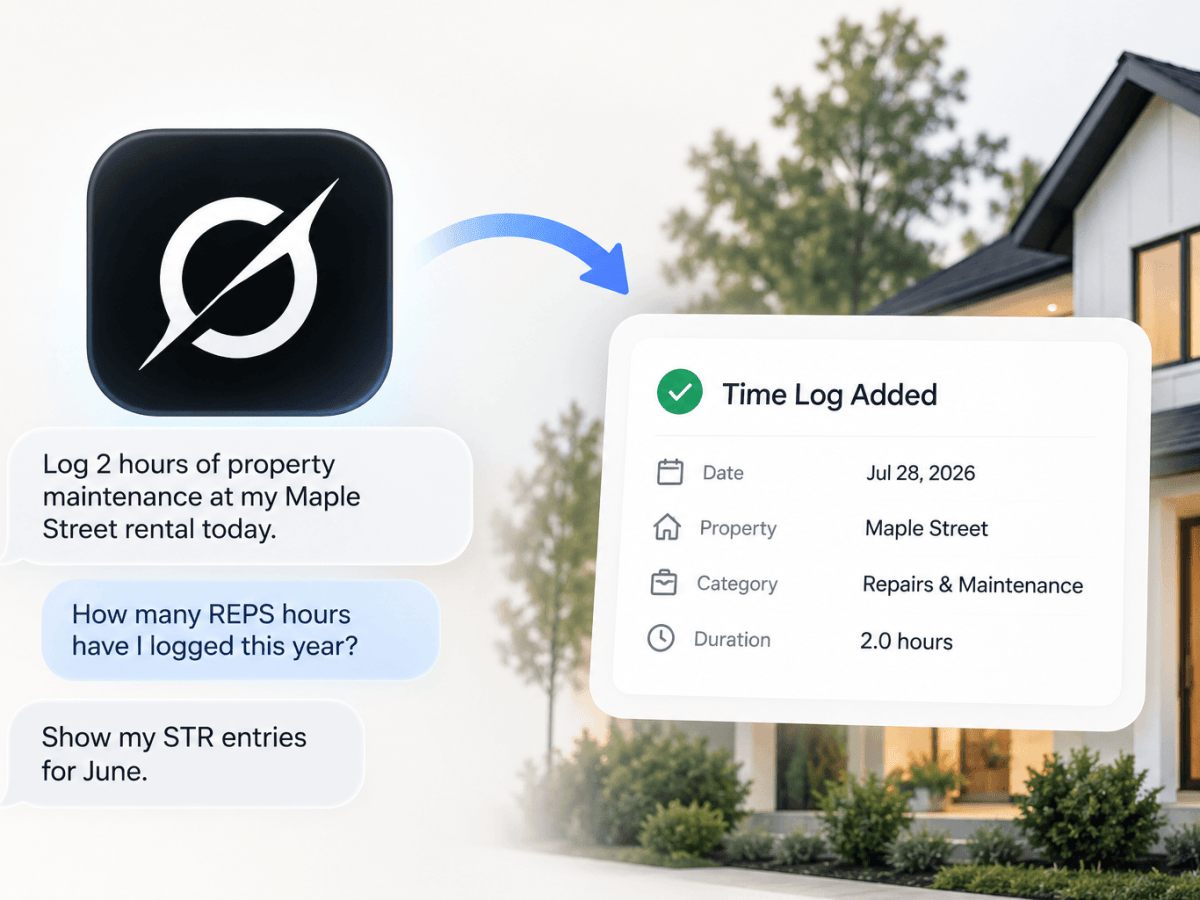
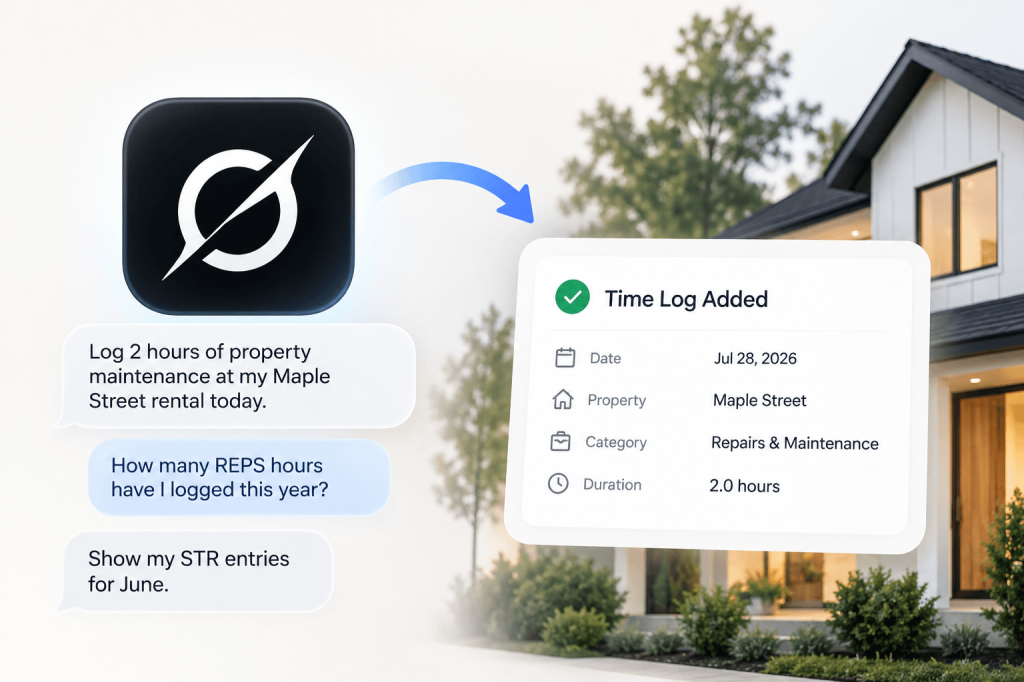
Grok now supports custom connectors, so the same REPSLog connector that works in ChatGPT and Claude works in Grok too. How to add it, what Grok can and cannot do…
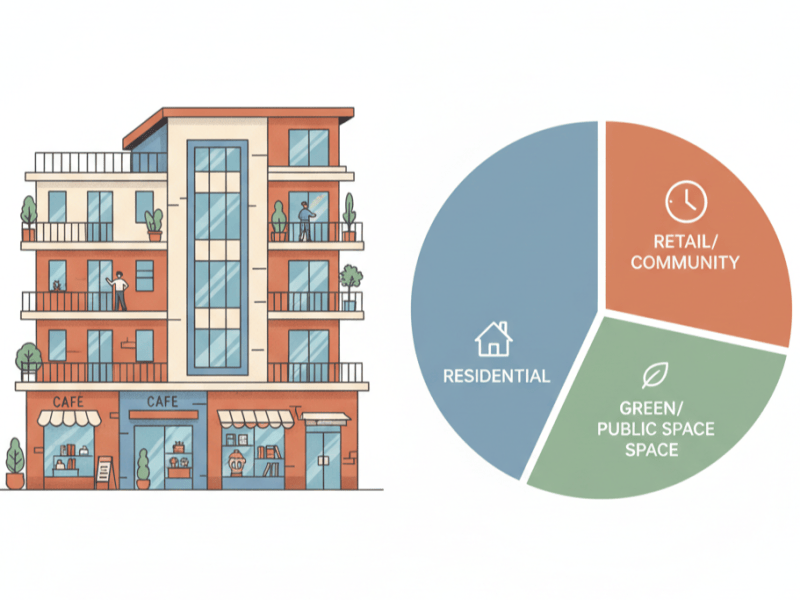
Mixed-use properties — commercial/residential combos, vacation rentals, live-in units — create complex hour-allocation questions for REPS investors. The IRS has different rules for each type of mix, and misunderstanding them…
Owning a vacation rental you also use personally creates one of real estate tax’s most complex puzzles. REPS doesn’t override Section 280A’s personal-use deduction limits — and the interaction between…
Tax Court rulings on REPS reveal a consistent pattern: investors with contemporaneous, detailed records win; those with reconstructed logs lose — even when they genuinely worked the hours. This guide…
Transitioning from W-2 employment to full-time real estate investing changes your REPS qualification math overnight — but the years before and during the switch require careful planning. This guide walks…
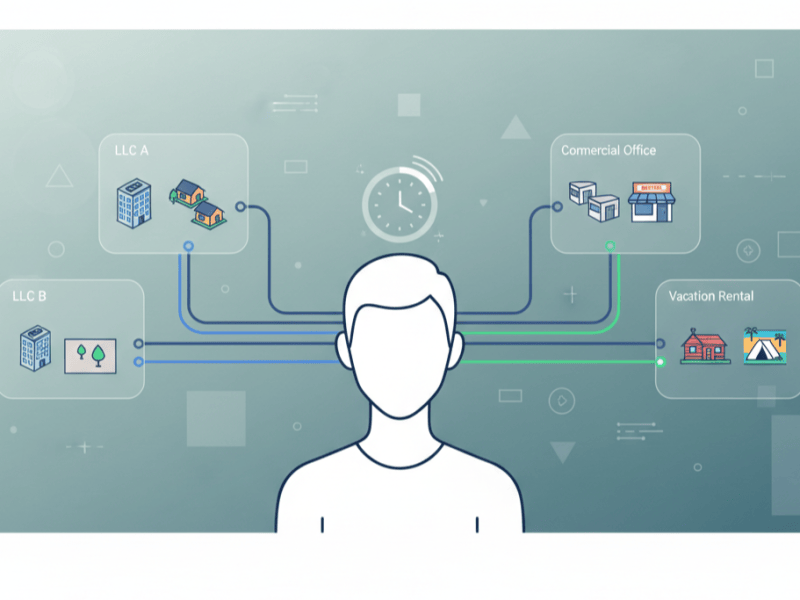
Holding properties in multiple LLCs doesn’t complicate your REPS qualification — it just requires understanding how hours and material participation flow across entities. Learn how the grouping election works, what…
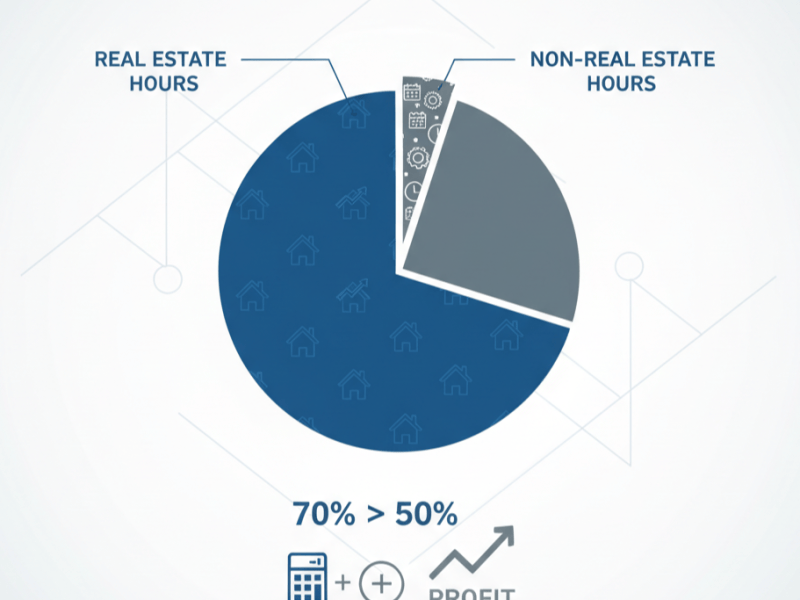
The more-than-half test disqualifies more REPS candidates than the 750-hour threshold does — especially investors with full-time jobs. This guide walks through the exact formula, what counts in the numerator…
A cost segregation study costs a few thousand dollars and mostly moves deductions earlier rather than creating new ones. Whether that is worth it depends on your price, your REPS…
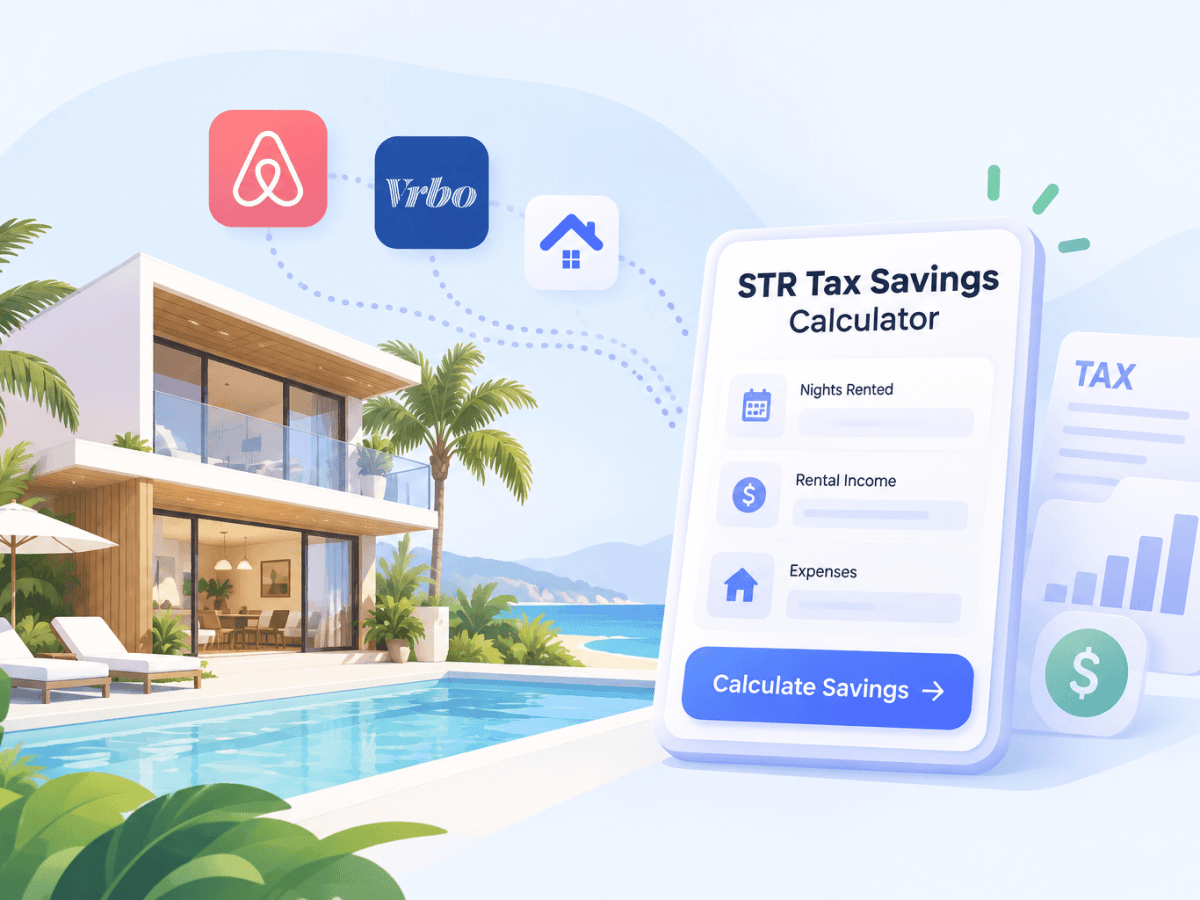
The short-term rental loophole can turn a rental loss into a deduction against your W-2 income, but the size of that deduction depends on your purchase price, your cost segregation…
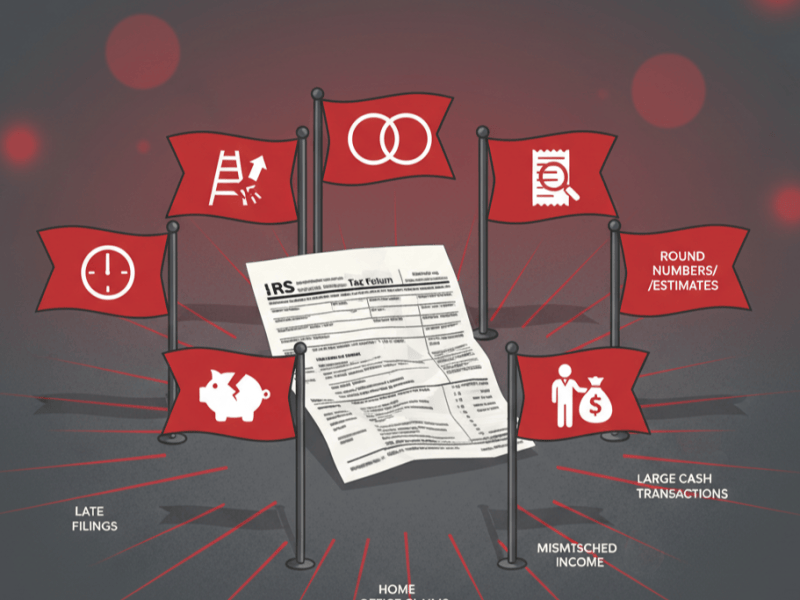
REPS claims get more IRS scrutiny than almost any other position on individual returns. Knowing the seven red flags — from high W-2 income paired with large rental losses to…
50 real examples of short-term rental work that generally counts toward material participation for the STR loophole, 10 that do not, and how to choose between the 500-hour and 100-hour…
Passing the 750-hour and more-than-half tests isn’t enough if you can’t prove it. REPS claims face elevated audit risk, and Tax Court decisions are littered with investors who qualified but…
Depreciation is the engine behind every major real estate tax strategy — it’s why a cash-flow-positive property can still show a tax loss. But understanding how it creates paper losses,…
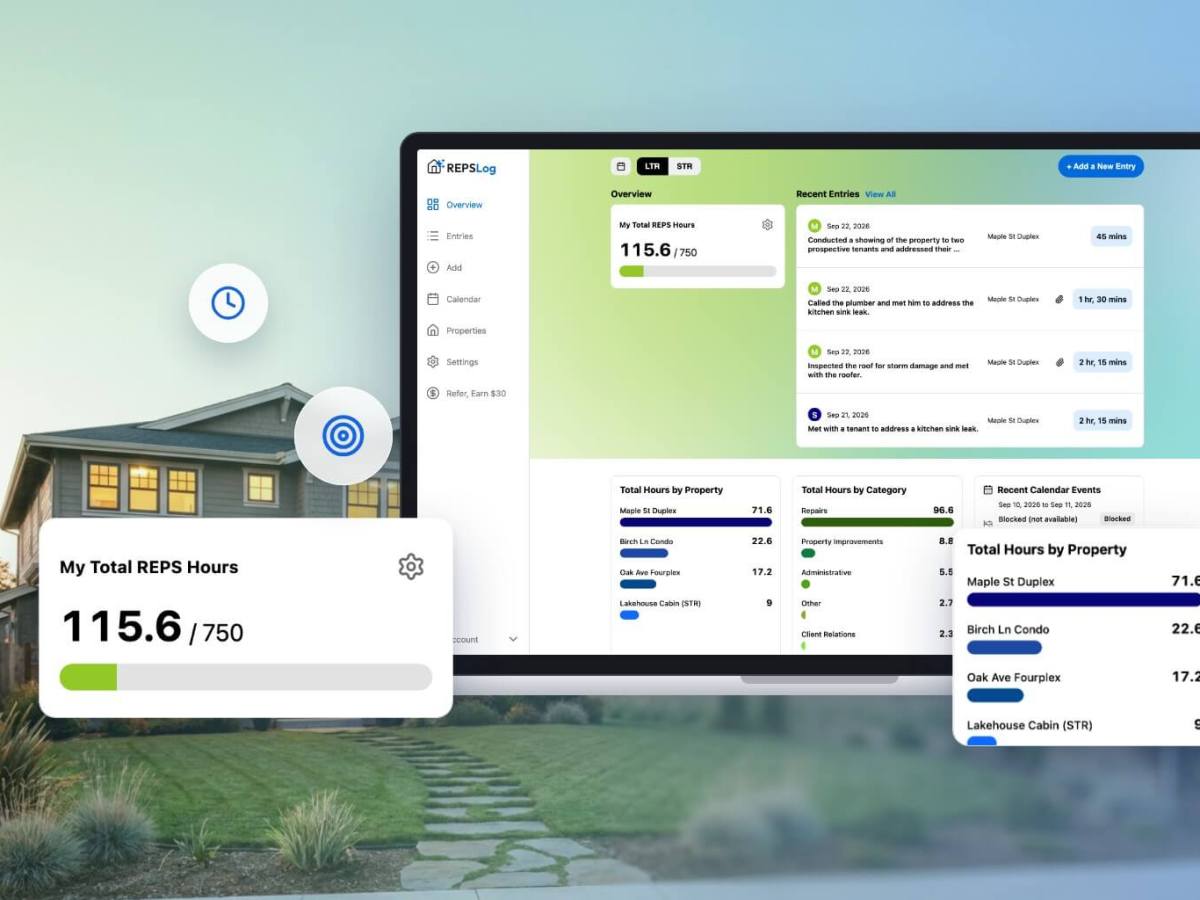
Your hours log names your properties, your tenants’ issues and your income strategy, and you will keep it for years. Here is where REPSLog stores it, what is backed up…
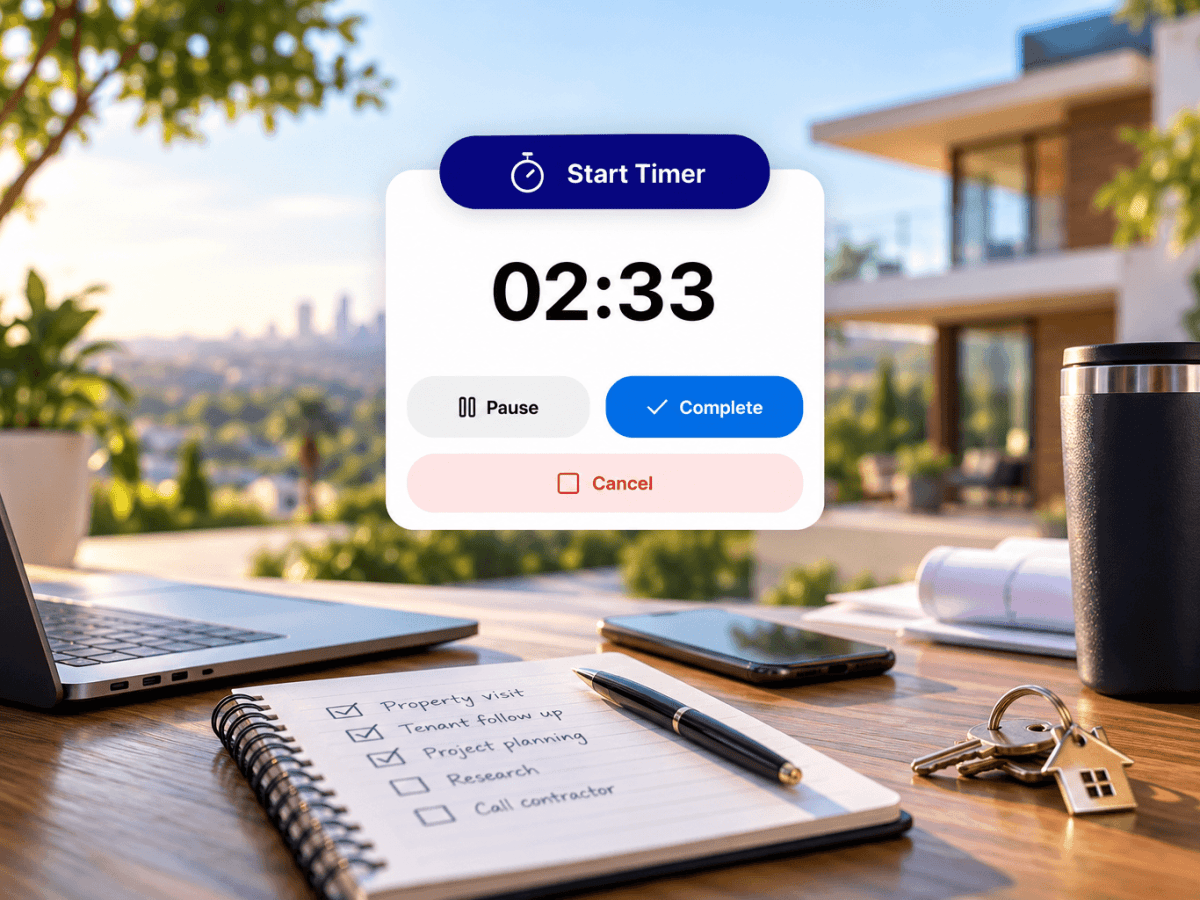
A duration you measured beats one you estimated. The REPSLog timer runs in the background, shows on the iPhone lock screen and Dynamic Island or as an Android notification, and…
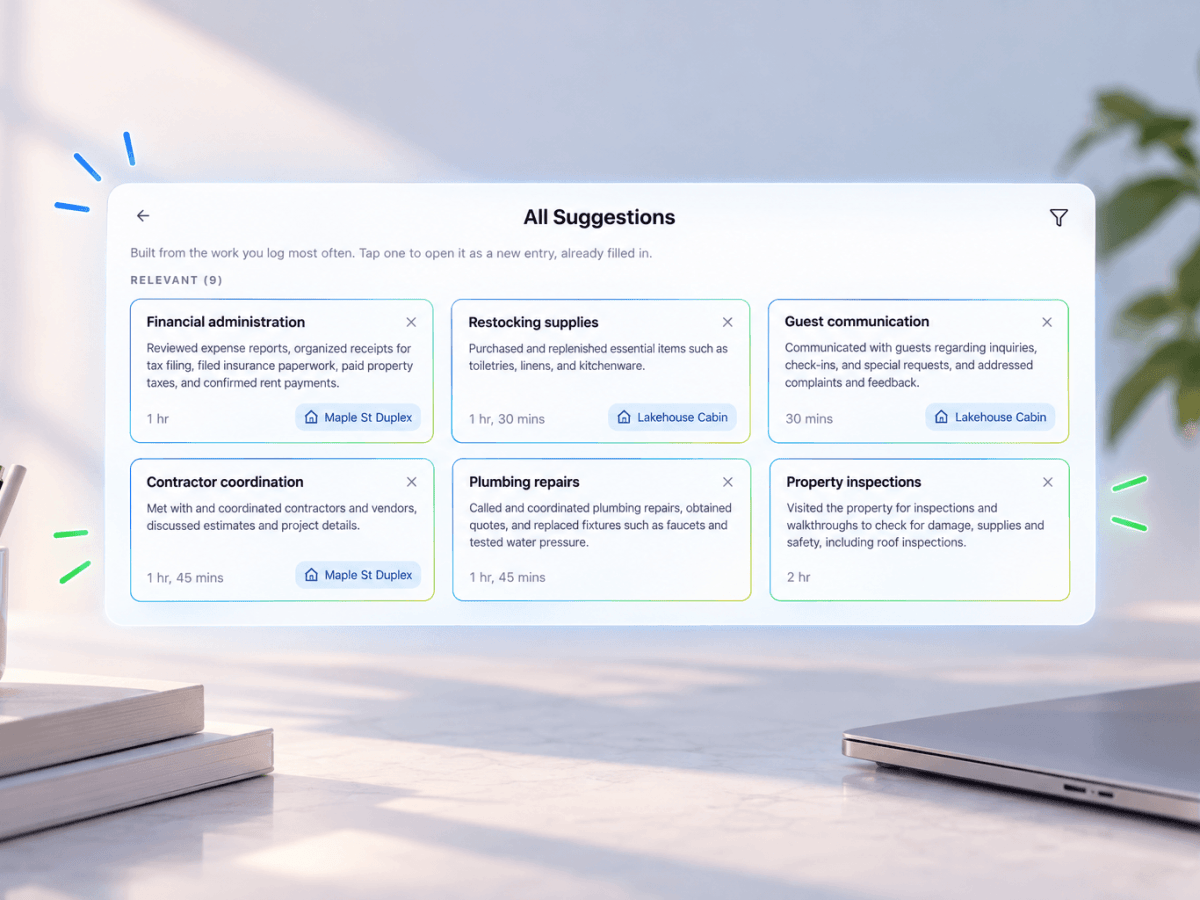
Most of a landlord’s or host’s hours are the same handful of tasks, repeated. REPSLog turns them into one-tap tiles (a curated list of common and recurring activities) and, on…
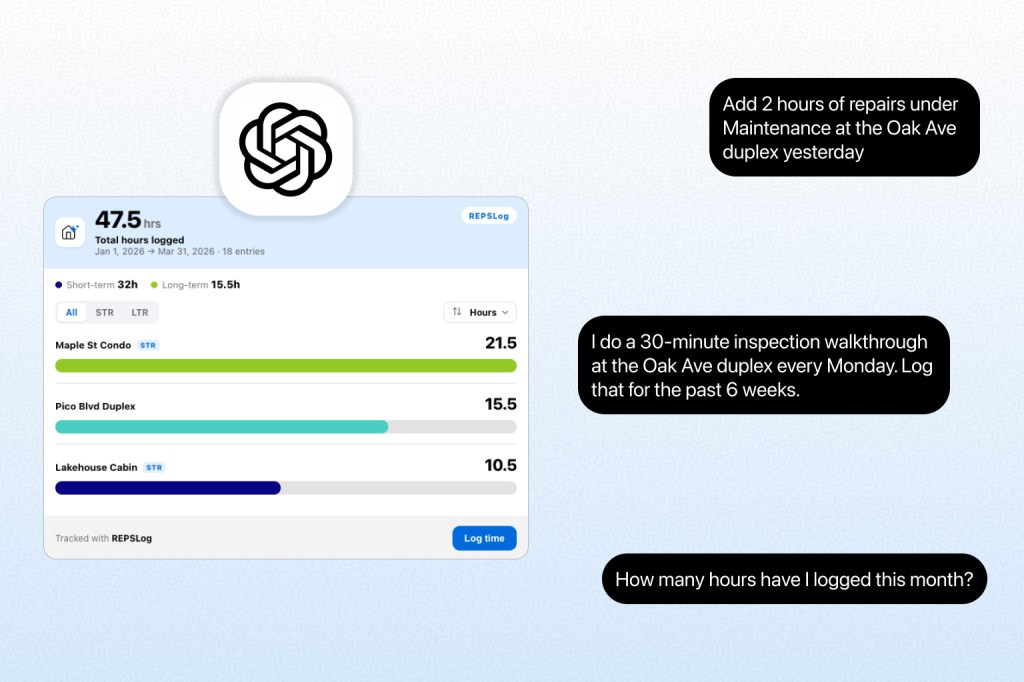
The same connector that put REPSLog inside ChatGPT works in Claude and in any MCP client with sign-in, and the REST API behind it takes scoped keys from the Developer…
The number that matters changes with the test: 750 hours counts only you, 500 adds your spouse, 100 per property compares you to everyone else at that listing. The REPSLog…
Most CPAs have never filed a REPS claim or a grouping election, and it shows at audit time. The Trusted Tax Experts section in REPSLog lists real estate CPA practices…
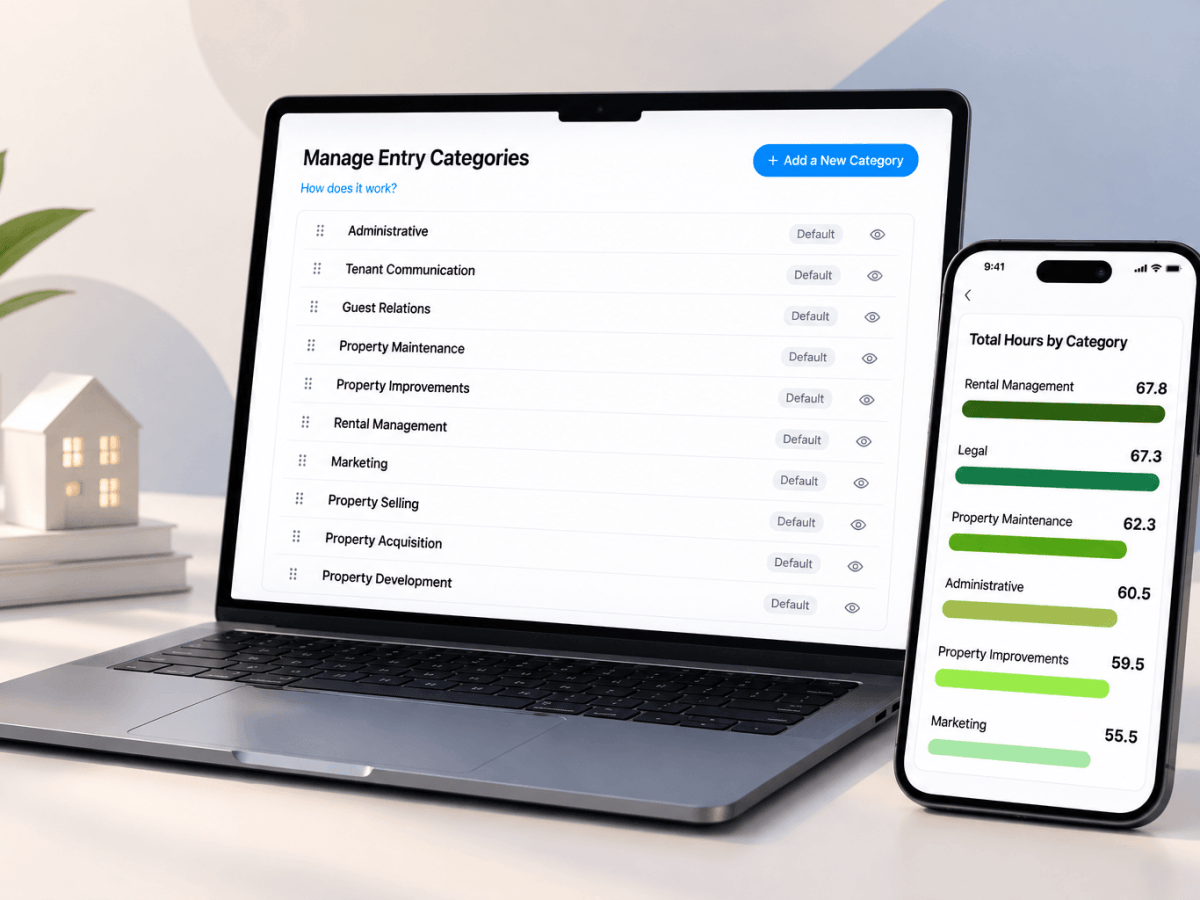
A category on each entry is how your CPA and an examiner see, at a glance, that your hours were the kind that count: management, maintenance, tenant work, acquisition. REPSLog…
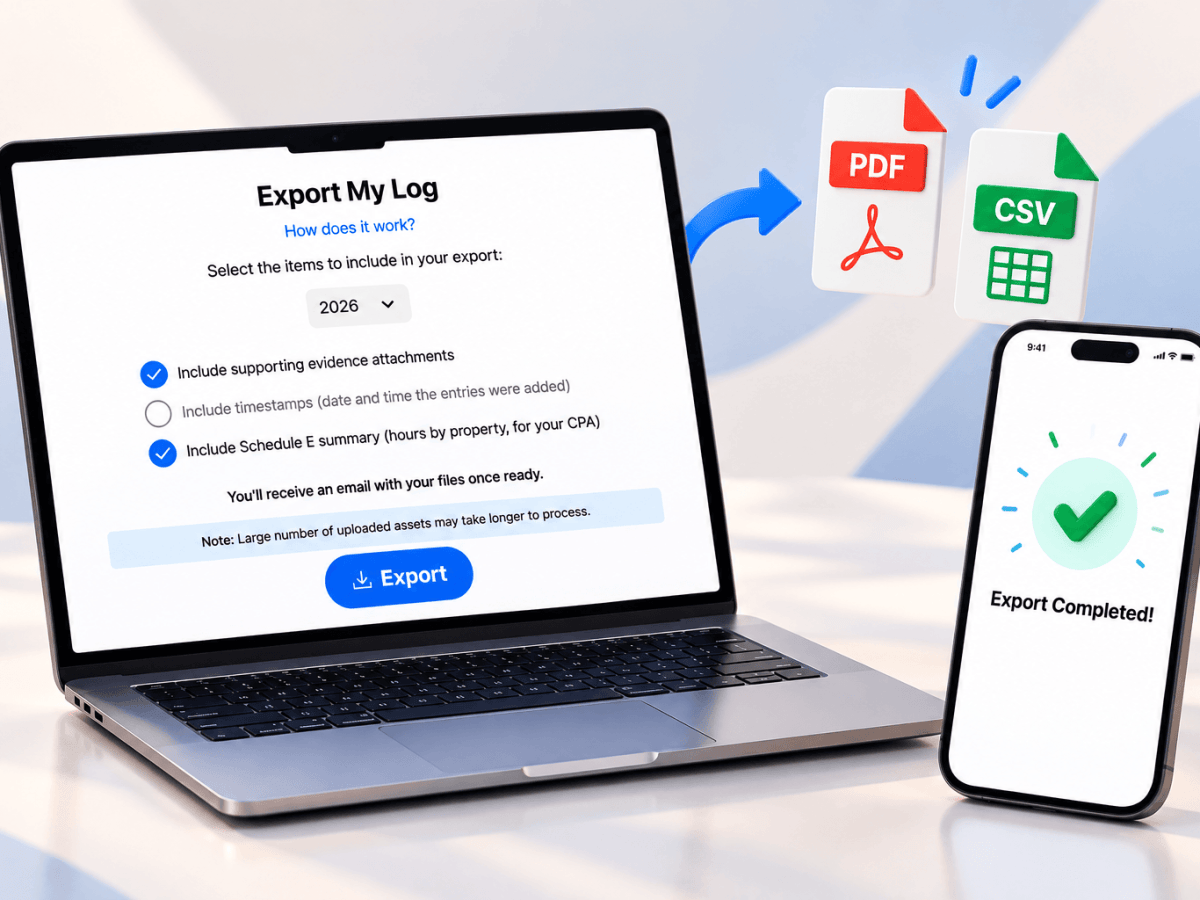
Your CPA needs hours by property, by test and by person, with the evidence and proof the log was kept as you went. The REPSLog export packs one tax year…
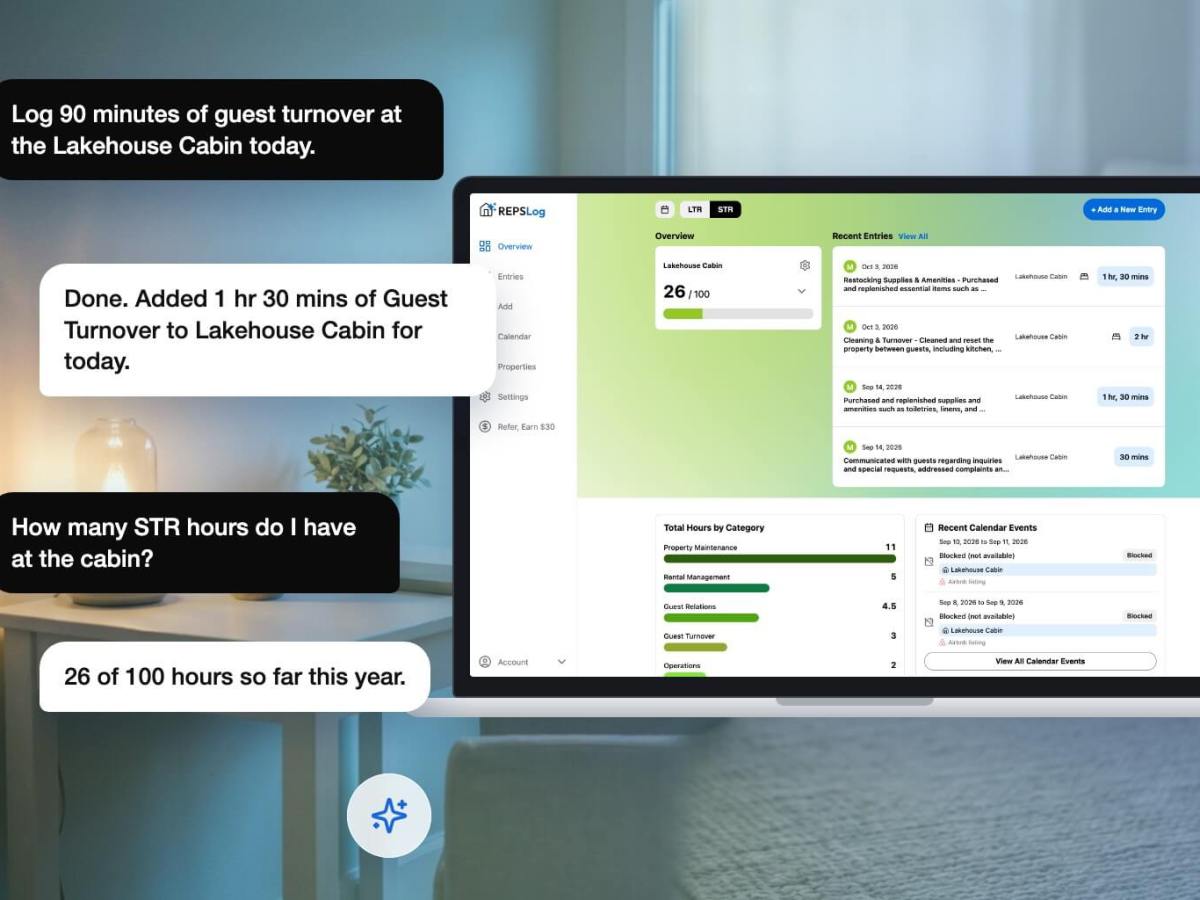
The hard part of the 750-hour test is not the hours, it is writing them down on the day. Voice Logging in REPSLog turns a 15-second sentence into a complete…
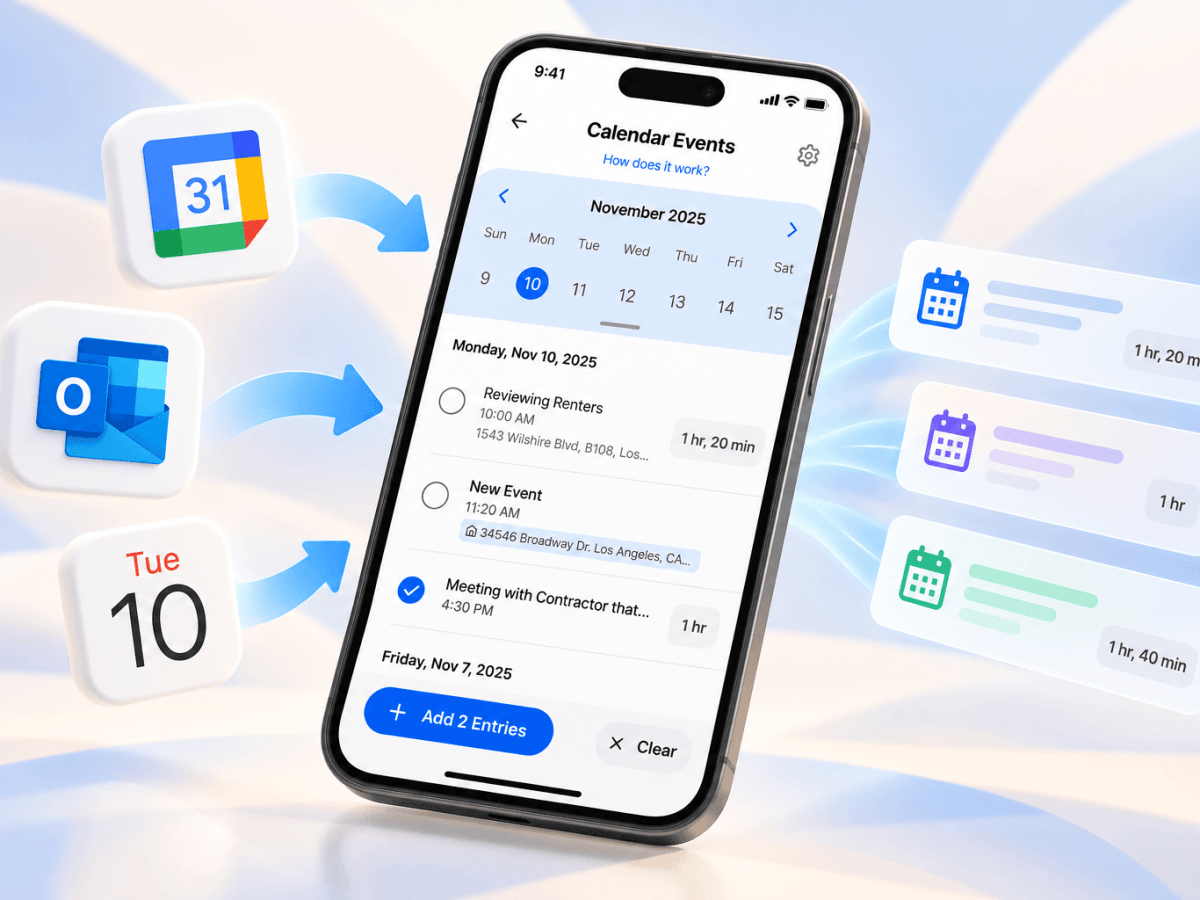
A calendar is often the most contemporaneous record an investor already has. Calendar Integration in REPSLog turns past Google, Microsoft 365 or iPhone and Android calendar events into logged entries…
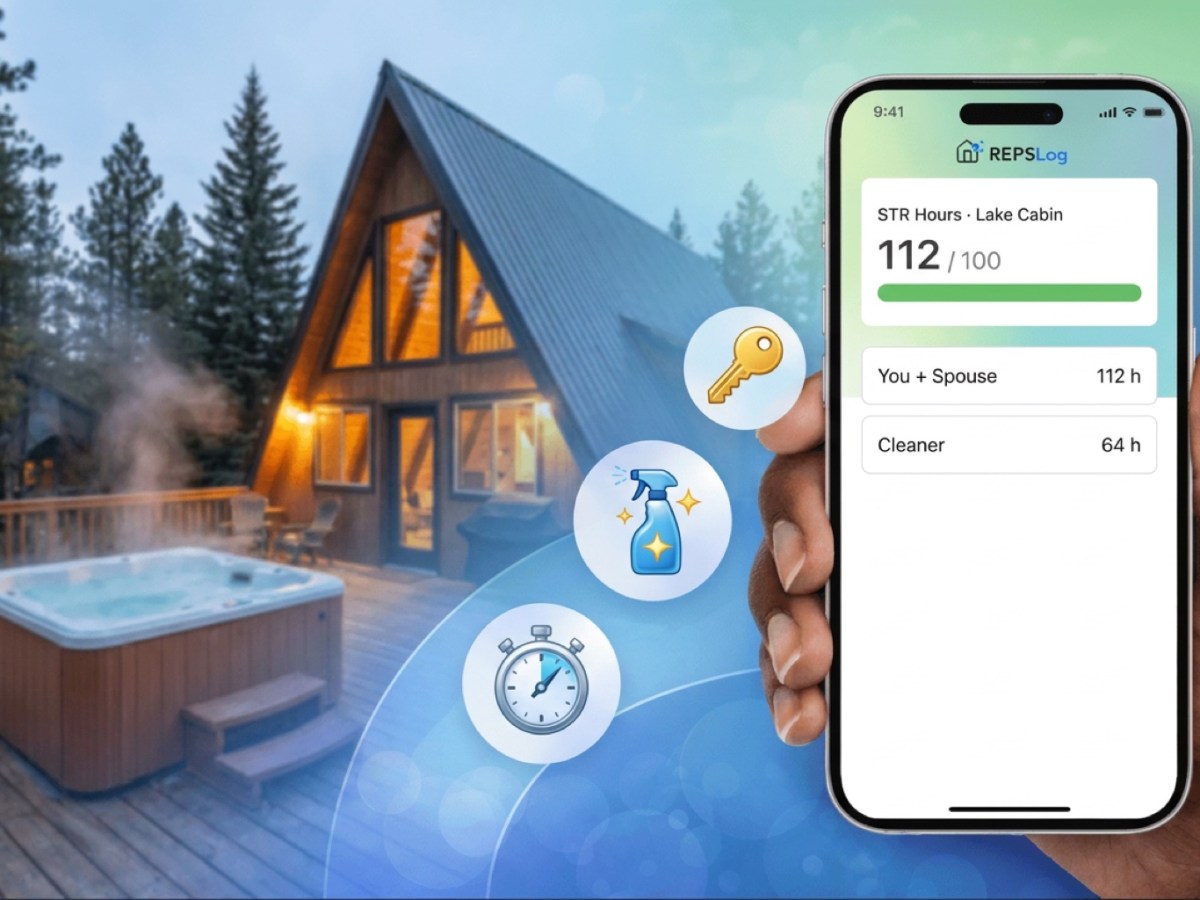
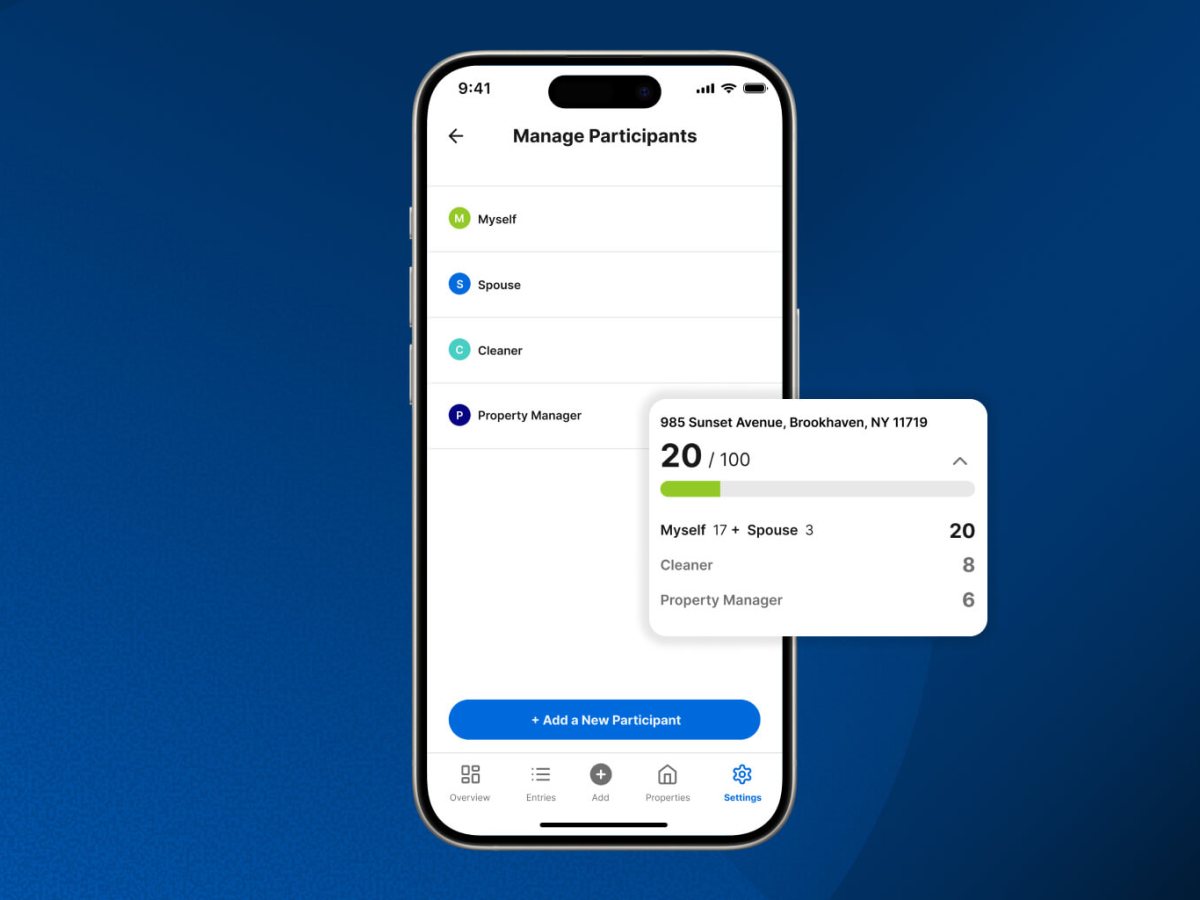
Spouse hours count for material participation but not for the 750-hour test. A cleaner’s hours never count for you, but you must know them to pass the STR loophole’s comparison.…
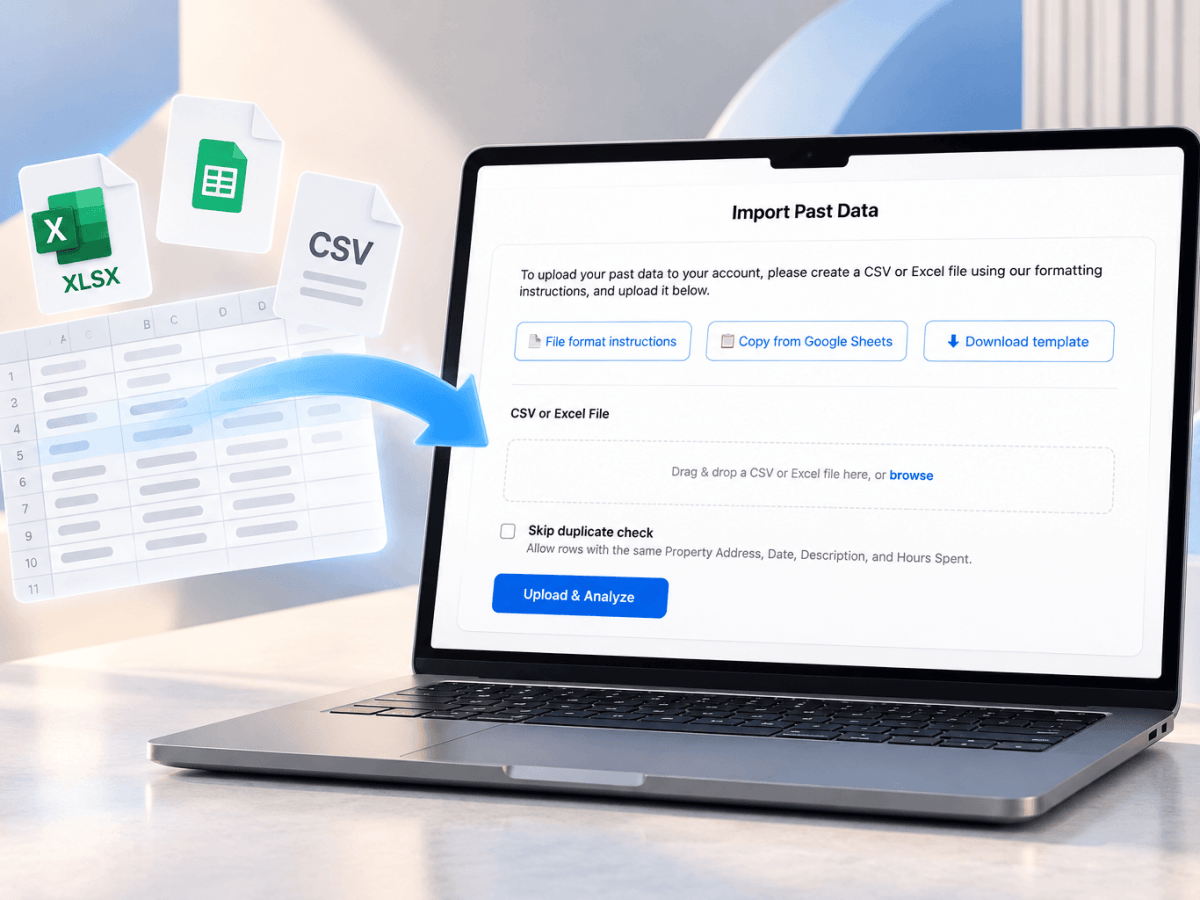
Switching from a spreadsheet mid-year does not mean starting over. CSV Import brings up to 2,000 rows into REPSLog on the web app, maps your columns and property names, and…
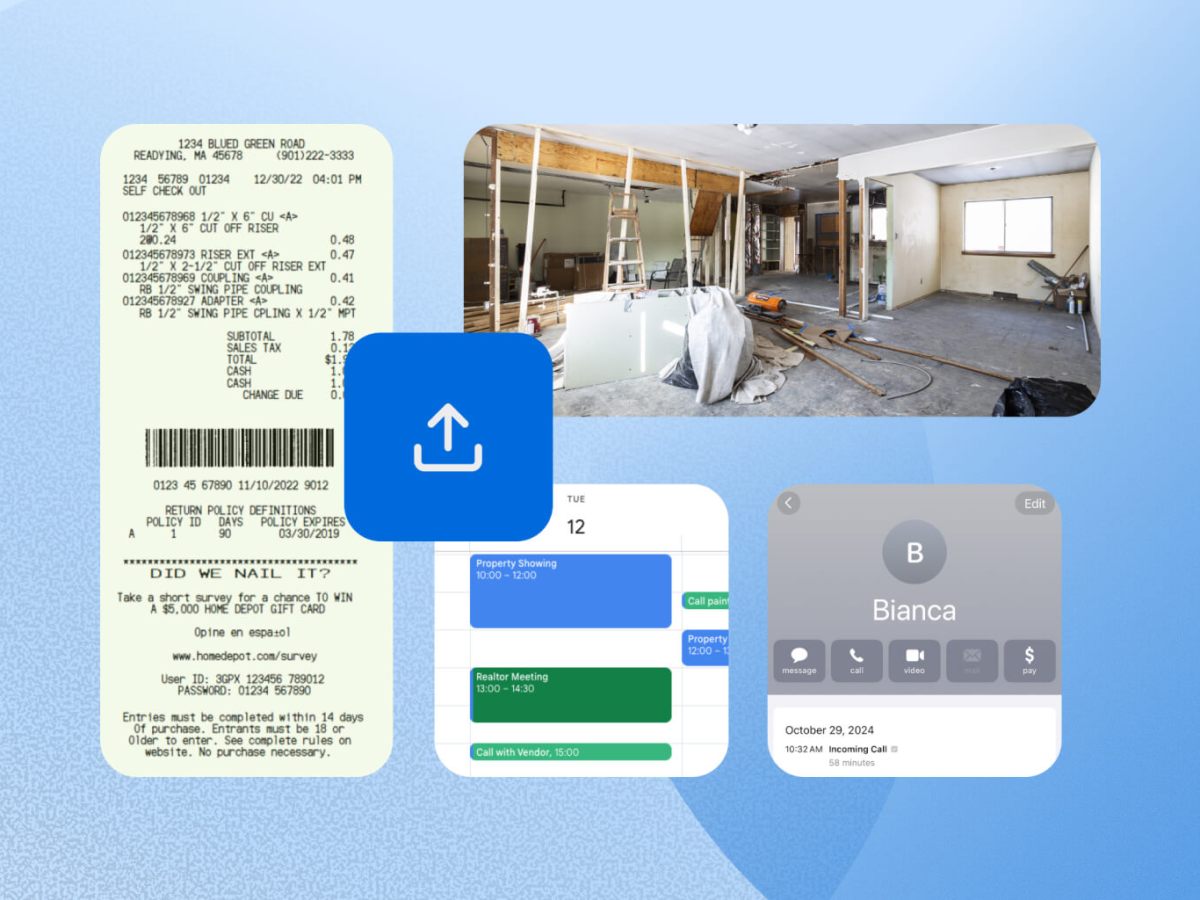
A log entry says what you did. A receipt, an invoice or a photo says it really happened. Here is how to attach evidence to any entry in REPSLog, what…
Every guest stay on Airbnb, Vrbo or 22 other booking sites can anchor the turnover, restocking and guest-messaging hours the STR loophole’s 100-hour test needs. Here is how Booking Calendar…
Something went wrong. Please refresh the page and/or try again.
GET IT FOR FREE


We use cookies to personalize content, run ads, and analyze traffic. Read our Cookie Policy.